


Cryptolepis sanguinolenta is a medicinal herb traditionally used in Africa for thousands of years.
It’s said to help with Lyme disease, malaria, blood sugar regulation, and more.
This article will look at the health benefits of Cryptolepis sanguinolenta, its safety, dosage, and history
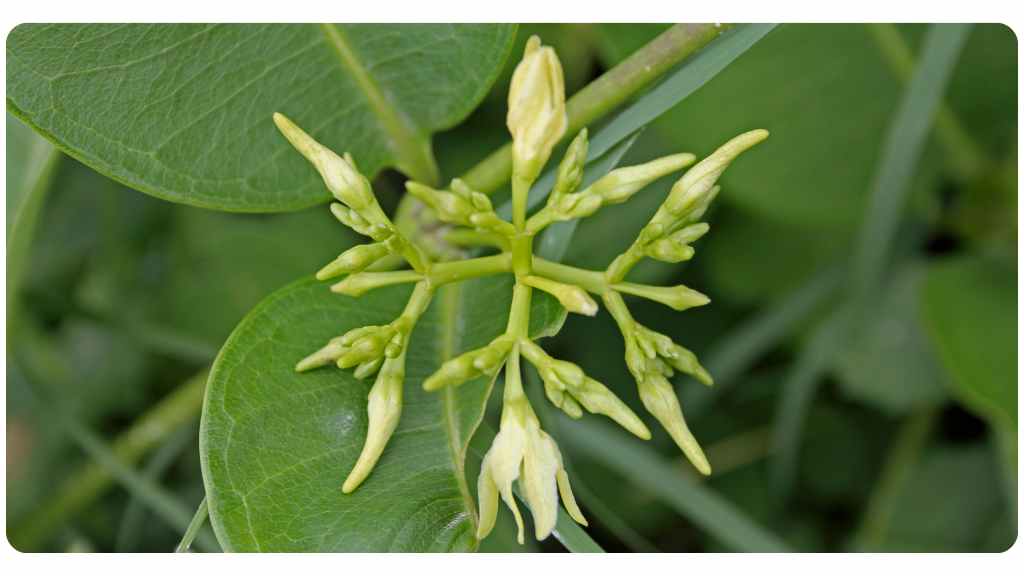
Table of Contents
What is Cryptolepis sanguinolenta?
Cryptolepis sanguinolenta is a medicinal plant native to West Africa, found in tropical rainforests, mountains, and thickly wooded areas.
The plant’s Latin name is Cryptolepis sanguinolenta. This plant has various local names created by people from different countries and regions. One of its most common names is yellow-dye root.
Some of the major bioactive constituents found in Cryptolepis sanguinolenta include:
- Cryptolepine
- Hydroxycryptolepine
- Quindoline
- Isocryptolepine
- Cryptospirolepine
- Xylopic acid
Cryptolepis sanguinolenta is commonly used for treating malaria, Lyme disease, and diabetes. It is also thought to have antimicrobial and anti-inflammatory activity.
Benefits of Cryptolepis sanguinolenta:
Below are the top research-backed health benefits of Cryptolepis sanguinolenta and its active compounds.
1. May treat Lyme Disease
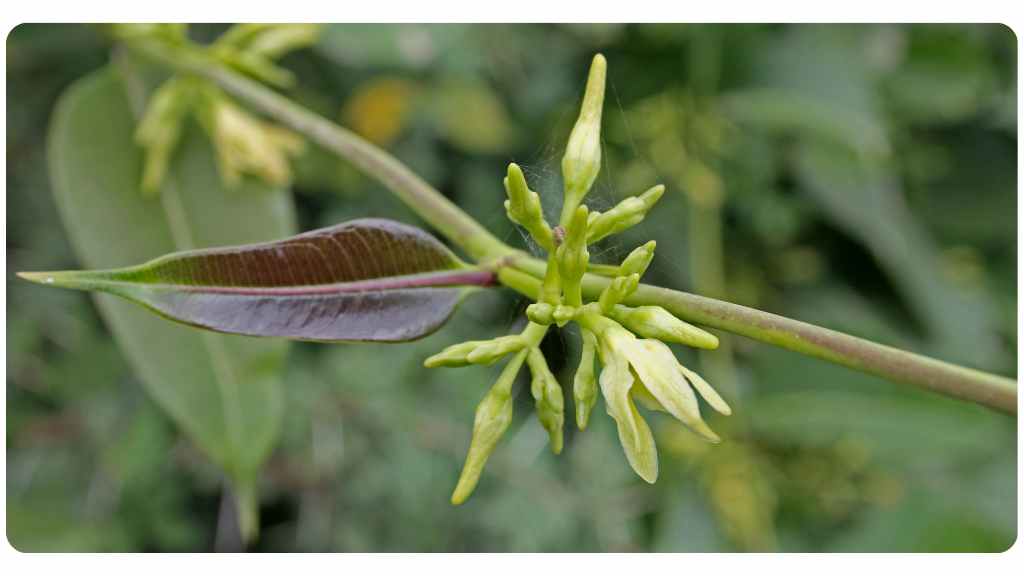
Cryptolepis sanguinolenta is one of the many herbs used to help treat Lyme disease.
Lyme disease is the most common vector-borne disease in the United States. The bacteria, Borrelia burgdorferi, and the parasite, Babesia duncani, can both cause Lyme disease.
A lab-based study evaluated several botanicals, including Cryptolepis sanguinolenta, Cat’s claw (Uncaria tomentosa), and Japanese knotweed (Polygonum cuspidatum) on their effectiveness against the bacterium Borrelia burgdorferi. Cryptolepis sanguinolenta showed a strong ability to halt growth and eradicate Borrelia burgdorferi.
Another lab-based study examined some of the same botanicals against the parasite Babesia duncani. Cryptolepis and its main bioactive compound, cryptolepine, was shown to inhibit the growth of Babesia duncani. Furthermore, the study revealed that Cryptolepis and cryptolepine had equal or better activity against Babesia duncani than commonly used antibiotic and antimalarial drugs.
Summary:
Lab-based studies have found that Cryptolepis may work to inhibit and prevent Lyme disease. Human clinical trials are needed for verification of this finding.
2. May Treat Malaria
Malaria is a parasitic infection caused by mosquitoes. In 2020, the CDC estimated that malaria caused 241 million hospital visits and 627,000 deaths.
Cryptolepis sanguinolenta is widely used as an effective natural malaria treatment in African communities.
A 2010 clinical trial studied the clinical efficacy of Cryptolepis root tea on 44 patients infected with uncomplicated malaria. The patients were given tea three times per day for five days. Within three days of treatment, 50% of patients were cleared and all patients were cleared by seven days. In addition, uncomplicated malaria symptoms of fever, chills, nausea, and vomiting quickly