

High blood sugar is a common occurrence in today’s world.
The Center for Disease Control & Prevention (CDC) estimates that 37 million Americans have diabetes, or 1 in 10 people.
Herbs and other natural remedies can be a helpful natural way to manage blood sugar.
This article looks at the scientific research behind the best herbs for blood sugar.
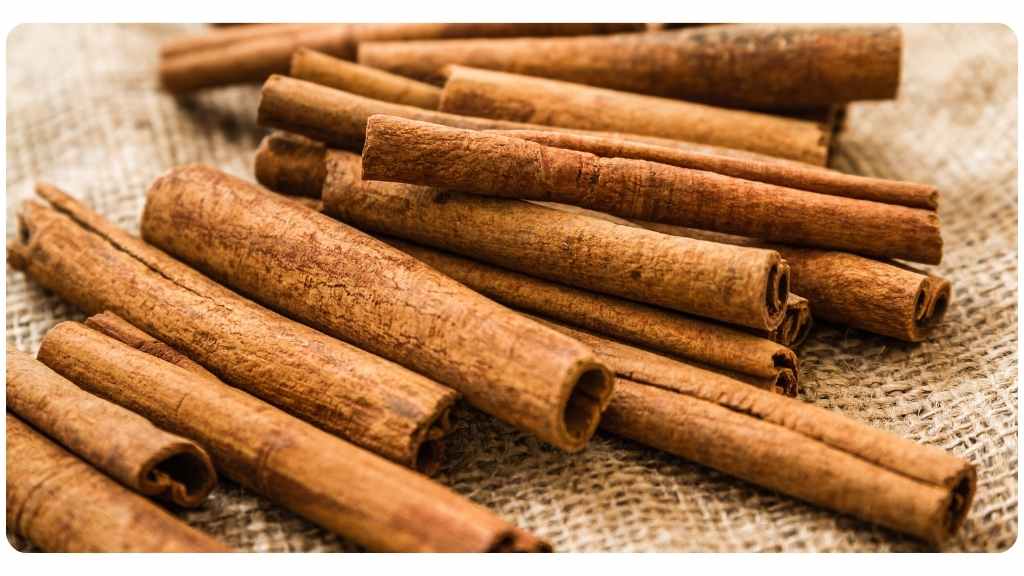
Table of Contents
What Is Hyperglycemia?
Hyperglycemia is a health condition that is characterized by high amounts of sugar in the blood.
Hyperglycemia occurs either when the pancreas does not produce enough of the hormone insulin or the body cannot use insulin properly. Insulin helps to move sugar from the bloodstream into the cells. Once inside the cells, sugar is converted into energy for immediate use or stored for the future.
There are four primary types of diabetes:
- Prediabetes (i.e. elevated blood sugar levels)
- Type 1 diabetes (a genetic disorder involving the pancreas)
- Type 2 diabetes (diet-related and develops over time)
- Gestational Diabetes (diabetes while pregnant)
Diet and exercise alone may help to control diabetes for some individuals. For others, a combination of medication and healthy habits will keep them at their best.
It should be noted that using herbs for high blood sugar can help to reduce elevated blood sugar levels, especially for individuals with prediabetes.
Typical Treatments For Elevated Blood Sugar:
Standard treatment for high blood sugar includes using a class of pharmaceutical drugs known as biguanides.
As far as standard medical treatment, the list of standard blood sugar medicines include:
- Metformin (biguanide class)
- Insulin (long- and rapid-acting)
- Glipizide (sulfonylurea class)
- Glimepiride (sulfonylurea class)
- Invokana (sodium glucose cotransporter 2 inhibitor class)
- Jardiance (SGLT2 class)
- Januvia (dipeptidyl peptidase 4 inhibitor)
Metformin (Fortamet, Glumetza, and others) is generally the first medication prescribed for type 2 diabetes. It works primarily by decreasing glucose production in the liver and improving your body’s insulin sensitivity so that your body uses insulin more effectively.
It should be noted that biguanides like metformin have been tied to a number of side effects, including nausea, vomiting, upset stomach, diarrhea, and generalized weakness. Metformin does not typically cause hypoglycemia (i.e. low blood sugar); however, low blood sugar may occur if metformin is used with other anti-diabetic drugs.
Finding a natural remedy for high blood sugar can help to decrease healthcare costs as well as provide a gentler alternative. Taking an herbal supplement for blood sugar such as Glucose Support Factors by Utzy Naturals is also a great alternative to pharmaceutical drugs.
Below is a list of the best blood sugar-lowering herbs.
Best Herbs for Blood Sugar:
Herbal remedies can provide an alternative way to reduce elevated blood sugar levels. If used sensibly, these natural herbs may be able to balance blood sugar levels in the body.
Below are the best herbs for lowering blood sugar.
1. Cinnamon
Research shows that cinnamon is one of the best herbs for stabilizing blood sugar.
A triple-blind clinical trial involving 140 individuals with type II diabetes found that supplementing with cinnamon helps to lower blood sugar levels. In this study, the participants were given 500mg of cinnamon (or placebo) twice daily for 3 months. The cinnamon group was found to have a reduction in body weight, blood sugar levels, as well as cholesterol numbers. It was noted that these health benefits were found to be more effective in patients with higher baseline BMI (BMI ≥ 27).
Another triple-blind clinical trial looked at the connection between cinnamon and blood sugar levels. This trial involved 160 individuals with diabetes who were given either 3g of cinnamon or a placebo daily. Over the course of 90 days, individuals in the cinnamon group had statistically significant reductions in various blood sugar markers, including a 0.2% decrease in glycated hemoglobin and 0.55 mmol/L in fasting blood sugar levels.
A meta-analysis reviewed the research on cinnamon and blood sugar and found that it helps to improve glycemic levels in individuals with prediabetes, diabetes, and pre-treatment HbA1c.
Another meta-analysis discovered that studies that used 1.5g of cinnamon daily (or more) had robust blood sugar-lowering effects.
A randomized, placebo-controlled trial found that cinnamon helped to reduce fasting glucose levels, as well as glucose tolerance, in individuals with hyperglycemia over the course of 3 months. In the study, the participants were given either a placebo or 500mg of cinnamon three times daily.
Finally, a clinical trial looked at the effects of Cinnulin PF®, a patented water-soluble extract of Cinnamomum cassia, in prediabetic individuals. The study participants were assign