


Usnea, popularly known as old man’s beard, is a lichen that’s been used as a traditional medicine in Asia, Africa, and Europe.
Usnea has been used for pain relief, fevers, wound healing, and to reduce inflammation.
This article will look at the health benefits of usnea, its safety, and how to take it.
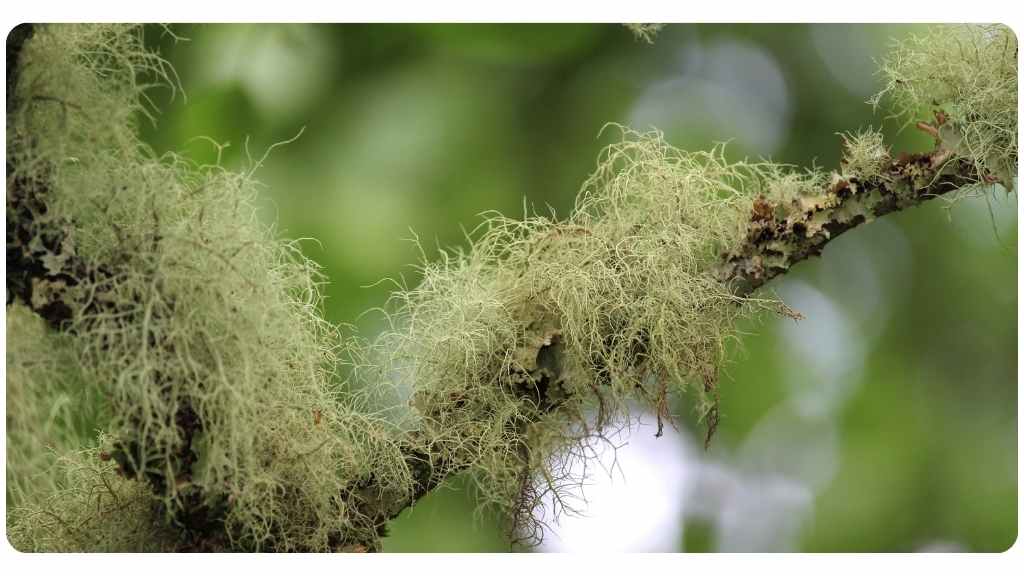
Table of Contents
What is Usnea?
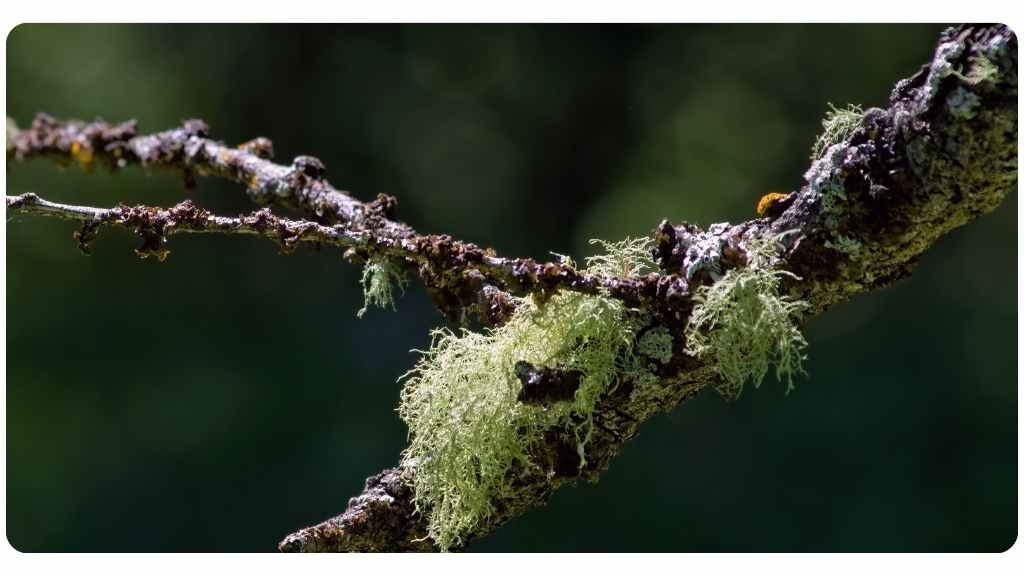
Usnea, a type of lichen, can be found growing on trees and rocks. This specific type of lichen is known for its pale green appearance and fungus-like networks.
Usnea is unique in that every part of the plant is medicinal.
The scientific name for this herb is Usnea barbata. Usnea is a popular herb in traditional South African medicine. Hippocrates famously mentioned its ability to help with urinary issues.
Usnea has been used as a traditional medicine to encourage wound healing, prevent bleeding, support urinary conditions, and reduce inflammation.
Modern accounts recommend using this herb to manage wounds, prevent infections, and slow bleeding.
Research suggests that the active constituents that usnea contains, including polyphenols and usnic acid, are responsible for many of these health-supporting benefits.
The entire herb is considered medicinal and beneficial for various therapeutic purposes.
Health Benefits of Usnea:
Animal and lab-based scientific research, traditional medicine systems, and contemporary herbalists have observed various benefits of this herb.
Below are the top health benefits of usnea and its main constituents.
1. May have Antimicrobial Benefits
Usnea lichen has been found to have antimicrobial activity.
Infection occurs when bacteria, viruses, fungi, or other microbes invade the body. The immune system responds to these conditions by attacking and eradicating foreign invaders. Using antimicrobial herbs is a great way to support your body’s natural defenses.
A review mentions that this herb has significant antimicrobial activity against various bacteria and fungus strains. It was also found to have slight antiviral activity.
While multiple lab-based studies have observed usnea’s antimicrobial activity, few human or animal trials have been conducted. However, many traditional accounts mention its ability to eradicate bacterial, viral, and fungal infections.
A comparative lab-based study found that this herb was effective against Escherichia coli, Staphylococcus aureus, and Pseudomonas aeruginosa. The researchers noted that certain types of extracts were more effective than others.
Another lab-based study discovered that usnic acid, a lichen secondary metabolite found in usnea, can potentially prevent biofilm-based wound infections. Researchers found that the usnic acid that usnea contains effectively prevented infections from gram-positive bacteria when used in topical wound dressings.
In a third lab-based study observing usnic acid, researchers discovered that the constituent has antibacterial properties against various bacteria strains, including S. Epidermidis, E. Faecalis, B. Cereus, and S. Pyogenes. The results also showed that the usnic acid did not damage healthy cells.
The American Botanical Council writes that usnic acid blended with Licorice (Glycyrrhiza glabra) has an antibacterial effect against the bacteria that causes acne.
Prominent herbalist, Rosemary Gladstar, mentions that this herb has “antibiotic” properties, which make it helpful “for treating urinary and bladder infections, cystitis, and fungal infections.”
Herbalist Christopher Hobbs suggests using usnic acid for bacteria and fungal infections. He writes that usnic acid plays a prominent role in usnea’s antimicrobial effects by disrupting cellular metabolism in bacteria and fungus. Christopher Hobbs also notes that “usnic acid is more effective against some bacterial strains than penicillin.”
David Hoffmann, a registered herbalist of the AHG, suggests that usnic acid “demonstrates strong antibacterial activity, especially against the tuberculosis bacterium, Mycobacterium tuberculos”.
Summary:
Lab-based re