


Shilajit is a blackish, tar-like substance that contains high levels of nutrients and is created by decomposing plants.
This shilajit resin is known for its numerous health-supporting benefits, such as increased hair growth, improved energy, and immune support.
In this article, we’ll discuss the main benefits of shilajit for hair growth, the composition of shilajit, as well as dosage and safety.
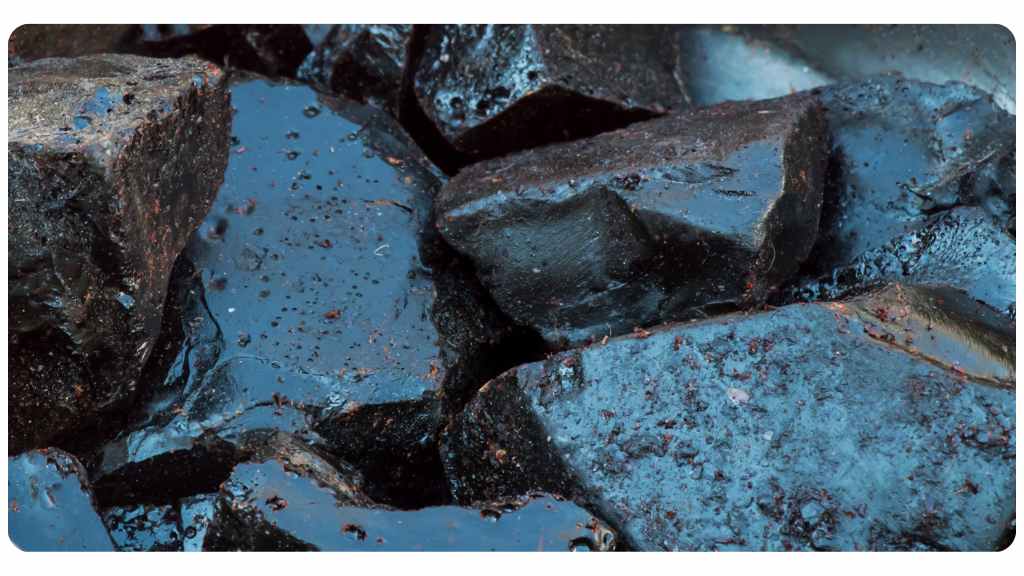
Table of Contents
Health Benefits of Shilajit for Hair Growth:
Shilajit contains many vitamins, minerals (over 84), and active constituents that promote hair health. Below are the top research-backed health benefits of shilajit for both male and female hair growth.
Shilajit Minerals for Hair Growth
Shilajit contains many nutrients including sulfur, zinc, iron, magnesium, and fulvic acid, one of its main active constituents. These nutrients play a key role in hair health and may encourage growth. Fulvic acid is also known for its ability to regulate the immune system, reduce inflammation, eradicate microbes, and reduce oxidative stress.
When shilajit is ingested, it increases the absorption of minerals into the bloodstream, boosting the body’s intake of essential nutrients and enhancing cellular processes like hair growth. Shilajit’s ability to increase nutrient bioavailability makes it a highly supportive dietary supplement.
Fulvic Acid for Hair Growth
A review of shilajit explains that fulvic acid acts as a carrier molecule. It carries nutrients deep into tissues and cells, helping maintain and restore their health and preventing cellular death. It also increases the body’s capacity to absorb minerals (especially iron) and remove deep-seated toxins.
Since excessive buildup of toxic metals and mineral deficiencies are linked to hair loss, fulvic acid may support hair regrowth and health by ensuring cells have adequate minerals to carry out essential processes.
Sulfur for Hair Growth
In a study on sulfur-containing supplements, researchers discovered that sulfur supports the bond between proteins called keratin, which make up 95% of hair. It also encourages detoxification in cells and reduces oxidative stress. These actions positively influence the stability of cells, which may promote the growth and maintenance of healthy hair.
Zinc for Hair Growth
Zinc is necessary for the division and growth of hair cells. In a clinical study observing patients with alopecia areata, daily zinc supplementation increased hair growth in 66.7% of patients. A review of minerals for hair loss found that patients experiencing hair loss had statistically lower zinc levels than subjects with average hair growth.
Iron for Hair Growth
Since iron helps the body create the protein hemoglobin in red blood cells, it’s essential for the transport of oxygen to cells – including cells that support hair growth. A review of minerals and hair loss mentioned that some genes in the human hair follicle may be regulated by iron. Additionally, an animal study observing mice with hair loss found that iron supplementation restored some hair growth.
Magnesium for Hair Growth
Magnesium is involved in hair growth through the formation of proteins, cell division, and cell growth. In a study involving women with self-perceived thinning hair, researchers discovered that daily magnesium supplementation improved overall hair volume, scalp coverage, and hair thickness, suggesting that magnesium may support healthy hair growth for those managing hair loss.
Vitamins for Hair Growth
Shilajit contains vitamins which are important for healthy hair. Vitamins, such as A, C, D, E, and B vitamins (like biotin and niacin), all play a part in the hair growth process. For example, vitamin A is necessary for cellular growth, B vitamins are important for cellular development, functioning, and signaling, and vitamin D supports processes in the hair follicle.
A clinical trial involving volunteers managing hair loss found that oral vitamin E supplementation significantly improved hair growth. Subjects experienced a 34.5% increase in hair growth after 8 months of supplementation.
In an animal study, researchers observed that daily dietary supplementation of vitamin A stimulated hair follicles. They noted that a “precise level [of vitamin A] was needed for optimal function.” Excess vitamin A supplementation is known to cause hair loss.