


Red sage, also known as danshen, is a medicinal plant that has been used for thousands of years in Traditional Chinese Medicine.
This article will look at red sage’s health benefits, its history, and safety.
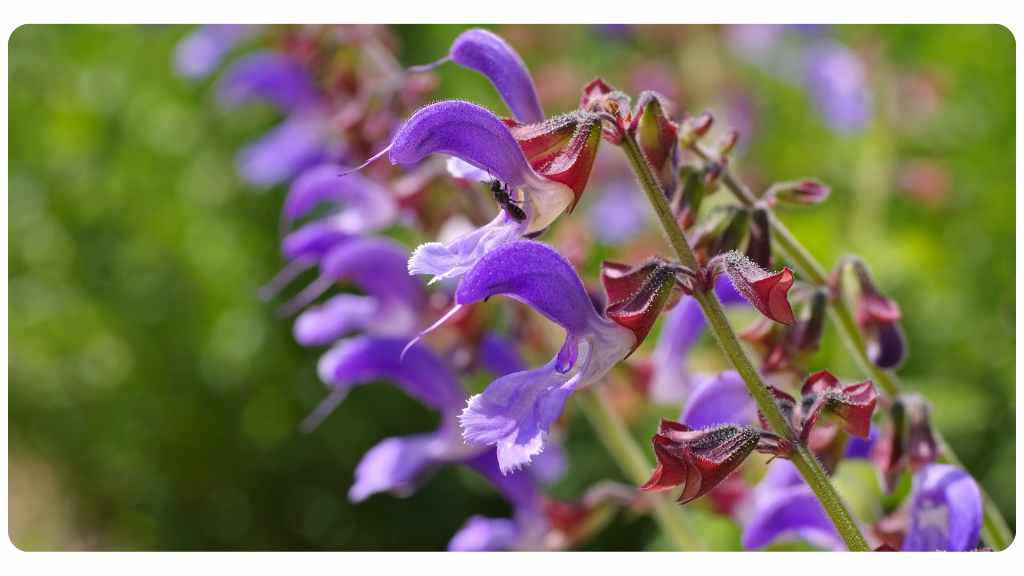
Table of Contents
What is Red Sage?
Red sage is a perennial plant native to China and Japan. It is a Traditional Chinese Medicine (TCM) herb with a long history of use throughout Asia.
The plant’s scientific name is Salvia miltiorrhiza, while its common names include red sage, danshen (Chinese), dansam (Korean), Chinese salvia, Chinese sage, and red-root sage.
Red sage is not to be mistaken for common sage that you cook with (Salvia officinalis); although they contain some similar constituents, they are different herbs with different uses.
Some of the major bioactive constituents of red sage include:
- Danshensu
- Lipophilic diterpenoids
- Salvianolic acids
- Flavonoids
- Triterpenoids
- Lithospermic acid
- Rosmarinic acid
Red sage is commonly used to support heart health. It is also used for treating Lyme disease and other infections, for liver disorders, and may have neuroprotective and anti-cancer properties.
Health Benefits of Red Sage:
Below are the top research-backed health benefits of red sage.
1. May Treat Lyme Disease
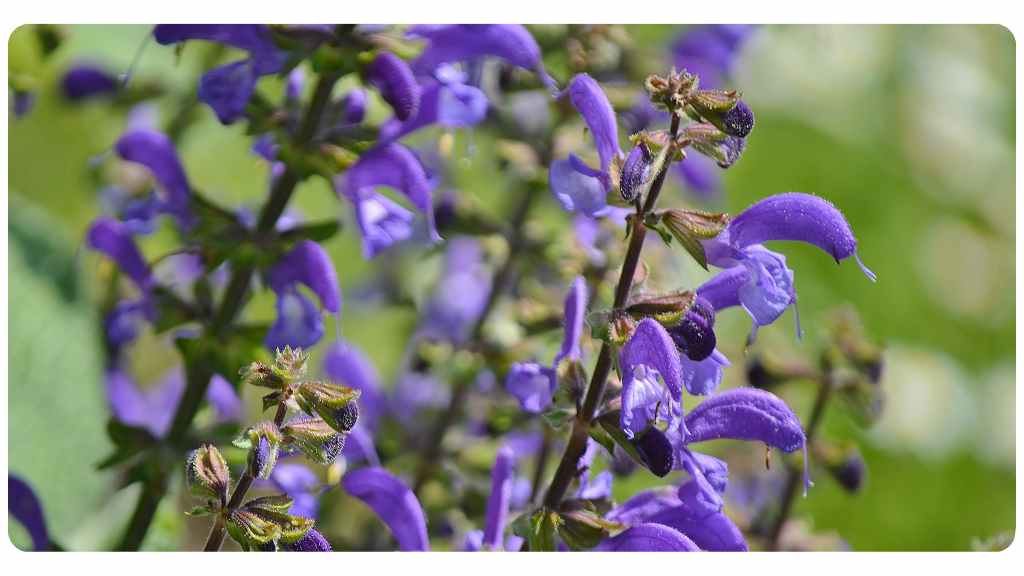
Red sage is a popular herb for Lyme disease.
Lyme disease is a vector-borne disease that is caused by the bacteria Borrelia burgdorferi .
Lyme disease expert and herbal author, Stephen Harrod Buhner, states that red sage may help to treat Lyme disease due to its anti-bacterial properties.
Buhner considers red sage to be a potent anti-inflammatory herb. It’s thought that this herb can stop the inflammatory process caused by the bacteria, Borrelia, and reduce the symptoms of Lyme disease.
One of the ways Lyme disease impacts the body is by breaking down connective tissues, caused by the Borrelia bacteria. Red sage is considered an MMP (matrix metalloproteinases) inhibitor. This means that red sage can help stop the process of connective tissue/collagen from being destroyed in the body and can ultimately promote tissue healing, according to Buhner.
Individuals with Lyme disease typically have high levels of histamine. Buhner notes that red sage may help to lower histamine levels, which can lessen Lyme symptoms and disease progression.
Furthermore, Buhner states that one of the essential functions of danshen on Lyme disease is its cytokine modulation effects. The herb acts as an immune-response adaptogen, normalizing cytokine responses during infection.
Summary:
Herbalists indicate that red sage may work to benefit Lyme disease through its anti-inflammatory effects. Clinical research, however, is required in order to confirm this finding.
2. May Support Heart Health
Red sage is commonly used for heart health.
Heart disease is a cardiovascular disease and a leading cause of death globally. One of the significant risk factors of heart disease is elevated cholesterol levels.
A 3-month clinical trial of 126 patients studied the effects of danshen on coronary heart disease. Red sage was found to improve triglycerides, total cholesterol, LDL cholesterol, HDL cholesterol, and homocysteine levels. The herb also helped to support liver function by increasing total bilirubin.
A lab-based trial examined the effect of red sage on heart health. The researchers found that this herb helped to improve recovery post-heart attack. It is thought that these effects were due to this herb’s antioxidant properties.
An extract of red sage benefited heart health post-surgery in an animal study. It was shown to regulate blood pressure, maintain circulation, prevent tissue buildup in the heart, and have anti-inflammatory effects.
Summary:
Research has found that red sage may improve heart health by reducing high cholesterol levels. Clinical trials are needed to verify this finding.
3. May Support Healthy Liver Function
Studies have shown that red sage benefits liver health.
Non-alcoholic fatty liver disease (NAFLD) is a common liver condition where excessive fat builds up in the liver. This disease is linked to metabolic syndrome. Non-alcoholic steatohepatitis (NASH) is an advanced form of NAFLD.
An animal study revealed that the extract of red sage can stop the development and progression of NASH and fibrosis, reduce inflammation, and improve overall liver function.
Another animal study used a formula of various Chinese h