


Have you ever noticed how different a cough can feel? You may have a dry, coarse cough or one that feels wet with lots of mucus.
Thankfully there are many natural herbs for coughs that can ease discomfort.
Herbal teas can be a great way to soothe cough symptoms and may encourage a faster recovery. In this article, we’ll discuss the causes of coughs and share some of the best tea for coughs.
Table of Contents
Overview:
A cough is a reflex the body makes when there’s irritation in the throat, airways, or lungs. Coughs are often accompanied by other symptoms like sore throat, difficulty swallowing, and tightness in the chest.
Coughs are one of the most common health issues. In the US, 30 million people go into a clinic for cough issues per year, and 40% of them are referred to a pulmonologist (someone who specializes in the respiratory system).
Microbes, like viruses and bacteria, are one of the leading causes of coughs as they tend to collect in the upper respiratory tract.
Coughs may also be the result of inflammation which can affect both the airway and lungs. Inflammation of the respiratory membrane can cause dry, irritating coughs.
Herbal teas have have antimicrobial and anti-inflammatory properties that can help kill invading pathogens that cause coughs.
Best Teas for Coughs:
Below is a list of the best herbs to use in tea for coughs. These natural cough remedies have been known to ease cough complications in various ways.
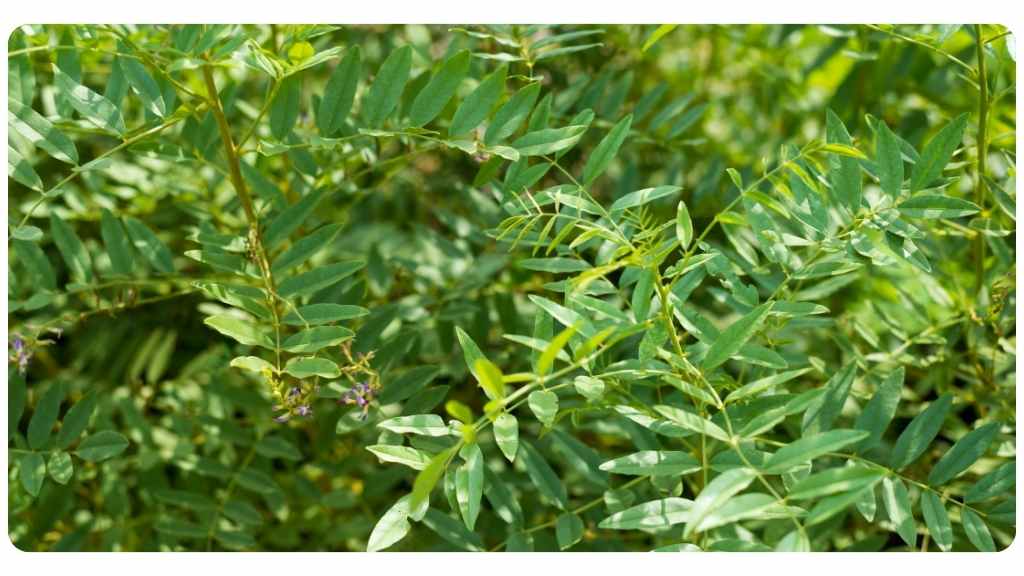
1. Licorice (Glycyrrhiza glabra)
Although licorice root is most popularly used as a candy flavor, it has numerous health benefits. It is known to support respiratory issues, prevent cardiovascular complications, and soothe inflammation.
In a clinical trial involving outpatients with a COVID-19-related cough, researchers discovered that Noscough®, cough syrup with licorice root and noscapine, was able to significantly relieve cough symptoms compared to Benadryl. The licorice-based syrup helped reduce the severity of the cough and eased labored breathing.
A lab-based study observing the antimicrobial effects of licorice root found that a licorice water extract inhibits viruses from attaching and penetrating host cells. This suggests that licorice may be helpful in preventing viral infections that can lead to coughs.
A study on the active constituents of licorice discovered that liquiritin apioside and liquiritin may prevent or ease coughing, as well as encourage mucus expulsion during a cough.
The American Botanical Council suggests licorice root for expelling mucus from the lungs.
Licorice has a very distinct sweet flavor and smells slightly of anise and fennel. Licorice tea pairs well with mint and ginger.
Where To Buy:
Starwest Botanicals has a full lineup of organic tea options. Whether you are looking for the whole herb or a tea blend, Starwest is a great choice.
➡️ Buy Organic Licorice – Cut & Sift
➡️ Buy Organic Licorice – Powder
➡️ Buy Organic Respiratory Tea Blend