


Berberine is a compound found in various plants that has been used in traditional medicine for many years. It was used in Ayurveda and other traditional medicine systems for its anti-inflammatory, antimicrobial, and fever-reducing properties, as well as for gut health and other uses.
Currently, berberine is often used to improve blood sugar levels and metabolic health, as well as for heart and liver function.
In this article, we’ll outline the potential health benefits of berberine, as well as the optimal dosage, safety considerations, and suggested usage.
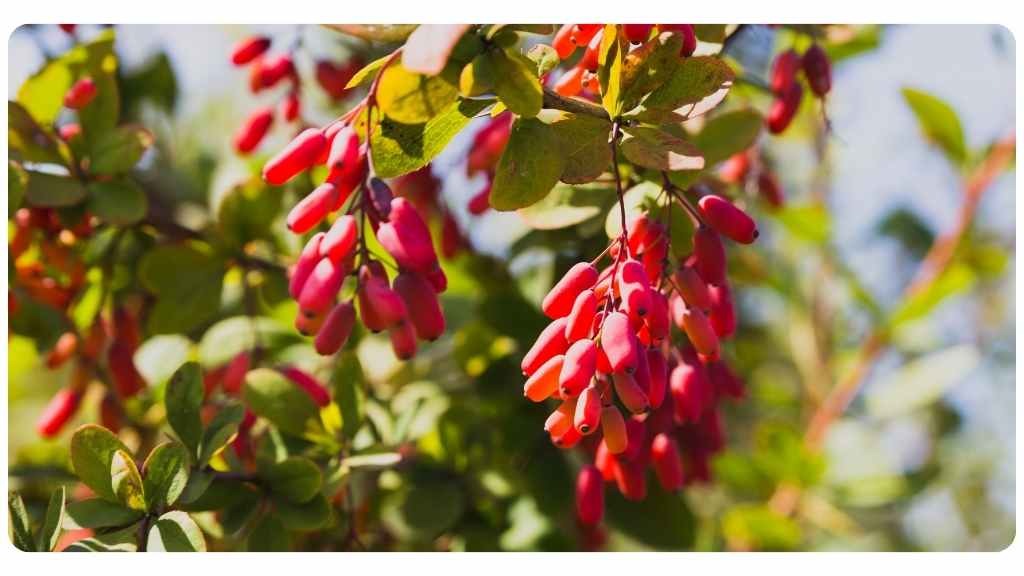
Table of Contents
Overview
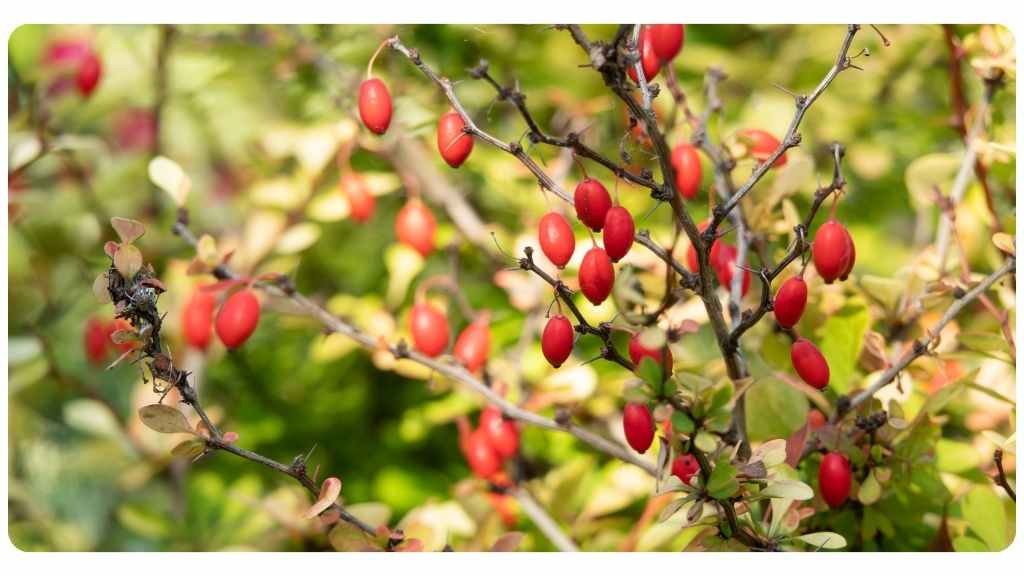
Berberine is a plant alkaloid found in the bark, leaves, twigs, roots, and other parts of various plants, including Oregon grape, goldenseal, barberry, and tree turmeric, among many others.
These plants can be found in many parts of the world, depending on the species, including North America and various parts in Asia, such as China, India, and the Middle-East.
As an alkaloid, berberine is naturally produced by plants to protect them from predators and to encourage growth. Human consumption of alkaloids can lead to various health benefits, mainly because these compounds have bioactive effects in the body. For example, these alkaloids can act as natural anti-inflammatories, pain relievers, and they also have effects in the central nervous system, gut, heart, and several other areas.
Health Benefits of Berberine:
Recent research has discovered many potential health benefits of berberine, especially those related to metabolic health. Listed below are the most well-supported health benefits of berberine.
1. May Improve Blood Sugar Levels
The most well-researched benefit of berberine is improved blood sugar levels and insulin sensitivity. This is evidenced by several clinical trials.
Based on current evidence, berberine likely improves blood sugar levels based on its ability to stimulate insulin release from the beta-cells in the pancreas. Importantly, this effect is only observed in people with high glucose levels, so it offers a very symptom-specific mechanism.
In a pilot clinical study on individuals with type 2 diabetes, researchers discovered that 1,500mg of berberine had a hypoglycemic (blood sugar-lowering) effect similar to metformin, which is a popular drug. Additionally, berberine improved insulin function as well as cholesterol and triglyceride levels.
In a clinical trial on individuals with type 2 diabetes and dyslipidemia, berberine led to marked reductions in glucose and HbA1C (a marker of blood sugar levels) compared to the control group. These individuals also experienced improvements in cholesterol levels compared to the placebo.
A clinical trial on individuals with type 2 diabetes showed that those who took 500mg of berberine twice daily for one month experienced much lower levels of fasting glucose, post-meal glucose, and fructosamine (which is used as an estimate of blood glucose in people with diabetes).
In a clinical study on individuals with metabolic syndrome, supplementing with berberine significantly reduced insulin and glucose levels, while also improving insulin sensitivity.
Lastly, a clinical trial on pre-diabetic individuals showed that berberine supplementation for 12 weeks led to improvements in fasting blood sugar, glucose tolerance, HbA1C, and insulin resistance compared to the control group. These all suggest the benefits of berberine on glycemic control.
Summary:
Clinical research indicates that berberine may improve blood sugar levels by lowering glucose and supporting insulin function.
2. May Improve Blood Lipids
Several studies also show that berberine improves blood lipid profiles, such as cholesterol and triglycerides.
This is likely due to a few mechanisms. For example, berberine seems to be able to improve LDL receptor function and activity, especially in liver cells. Second, berberine influences various enzymes that essentially lead to balanced cholesterol levels and decreased LDL concentrations.
In a clinical trial on patients with high cholesterol, researchers implemented berberine and simvastatin, either alone or in combination. They found that the combination of berberine and simvastatin had the greatest on lowering LDL cholesterol, total cholesterol and triglycerides. However, when comparing the two in isolation, berberine had a greater (23.8%) reduction in LDL compared to simvastatin (14.3%).
In a clinical trial on individuals with low cardiovascular risk, supplementing with 1,000mg of berberine (500mg 2x/day) led to notable reductions in low-density lipoprotein (LDL) cholesterol and total cholesterol, as well as an increase in high-density lipoprotein (HDL) cholesterol compared to the placebo group.
A clinical trial on patients with elevated cholester