


Bacteria are single-celled organisms that are found everywhere. They support physiological processes, the making of cheese and yogurt, and in the right context, can make us very sick.
While good bacteria live inside our gastrointestinal tract and support our digestive processes, too much of that bacteria in the wrong place can cause infection.
These infections occur when bacteria infiltrate a certain part of the body, multiply, and overwhelm the body’s cells and immune system.
While modern medical practices, such as antibiotics, can be effective in managing and eradicating a bacterial infection, there are a variety of promising antibacterial herbs.
Antibacterial herbs may be a beneficial alternative to managing bacterial infections as antibiotics deplete both bad and good bacteria in the body. The reduction of good bacteria can lead to imbalance and further health complications.
In this article, we summarize the best antibacterial herbs for eliminating bacterial infections.
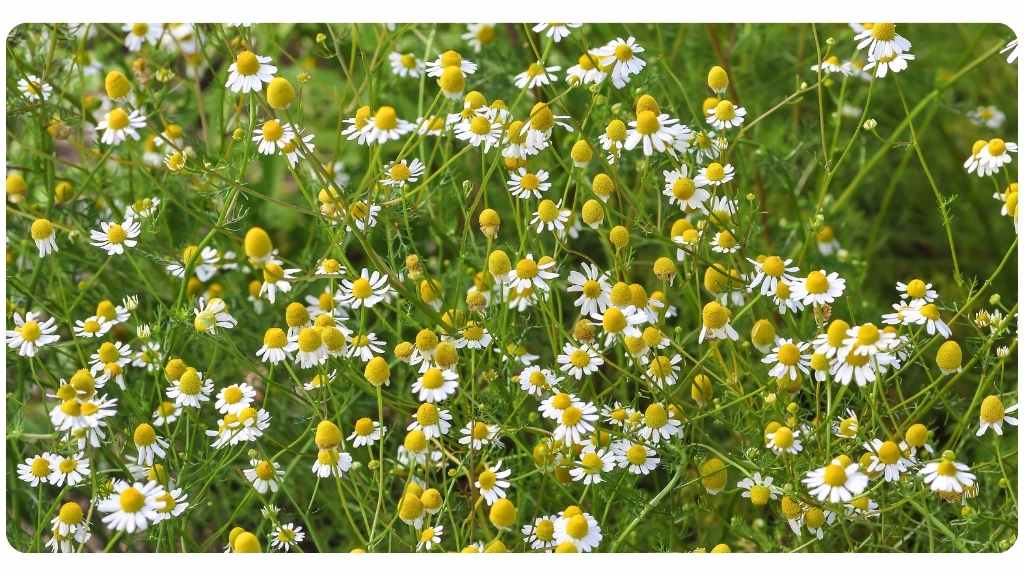
Table of Contents
The Best Antibacterial Herbs:
Below are the best antibacterial herbs. These herbs are known to inhibit bacterial growth and support the body’s immune system.
1. Garlic
Research shows that garlic is one of the most effective herbs for managing bacterial infections.
A study completed in 2017 found that bacteria in children’s mouths were significantly reduced after giving them a mouthwash blend of garlic, lime, and green tea (Camellia sinensis). Researchers noted that the mouthwash was just as effective as a sodium fluoride mouth rinse.
A 2007 animal study found that two active constituents found in garlic inhibited bacterial growth in mice. The two constituents also provided protective properties against the bacteria strain.
A lab-study observing garlic extract discovered that it can inhibit and eliminate the growth of oral bacteria. The researchers also noted that the garlic inhibited the growth of proteases, which are proteins that support the bacteria in replication and survival.
In an in vitro study, fresh garlic extract showed promising antibacterial properties against a “super-bug”, the antibiotic-resistant bacteria MRSA. The extract also demonstrated the potential to support antibiotics against these super-bug strains.
Another lab-study observing the effect of allicin, the main active constituent in garlic, against MRSA found that an allicin liquid extract was able to eliminate the strain. It should be noted that complete inhibition of the strain was dose-dependent.
Summary:
A combination of clinical and lab-based studies indicate that garlic may be one of the best herbs for inhibiting the growth of bacteria.
2. German Chamomile
A number of scientific studies demonstrate that chamomile shows significant antibacterial effects against several bacteria species.
A clinical trial observing 75 patients suffering from chronic periodontitis found that Matricaria chamomilla mouthwash was effective in reducing levels of oral bacteria. After the three-month trial, researchers concluded that chamomile mouthwash would be helpful as a daily mouth rinse.
An animal study observing mice with bacterial skin infections found that chamomile flower extract is more effective in eliminating