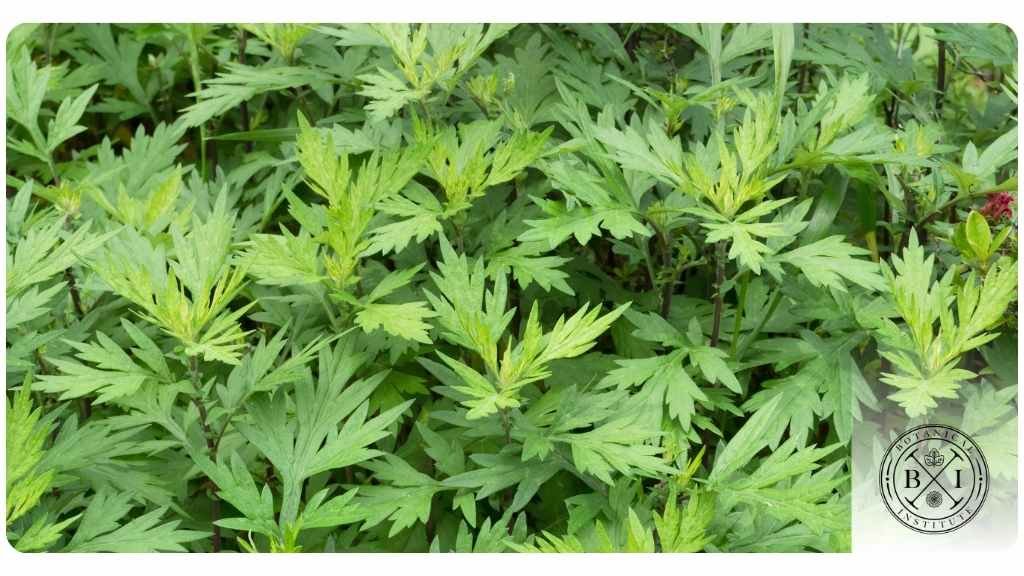
Do you often feel bloated, gassy, or have intense heartburn? Are you wanting to encourage efficient and effective digestion? Bitter herbs have been traditionally used for thousands of years for their digestive health benefits.
These types of herbs are supportive for gastrointestinal (GI) issues ranging from gas and bloating to indigestion (heartburn or acid reflux).
This article gives a review of some of the most significant traditional and scientific uses behind the best bitter herbs for digestion and overall health.
Table of Contents
Bitter Herbs Overview:
In the US, 61% of the overall population reported having more than one GI issue weekly. A total of 30.9% reported having heartburn, 20.6% experienced bloating, and 30.9% mentioned they had abdominal pain and cramps.
Bitter herbs have long been known to support healthy and efficient gastrointestinal function. In traditional medicinal systems such as Traditional Chinese Medicine (TCM), Ayurveda, and Traditional Iranian Medicine, bitter herbs have been used as a way to encourage digestion and treat a number of GI ailments.
These traditional uses focus on the benefits of bitter herbs for the liver, gallbladder, and stomach. Through the increase of saliva and digestive secretions (bile), bitter herbs help the body to efficiently break down food. As a bonus, they can also stimulate the appetite.
While ancient mankind has known about the benefits of bitter herbs for digestion, modern science is still trying to discover the mechanism by which bitter herbs work.
A 2015 research paper suggests that bitter herbs support digestive health through a variety of different mechanisms, including increasing saliva and providing vagal stimulation to the digestive organs.
The intensity of an herb’s bitterness can range in severity from mild to extremely bitter (and somewhat unbearable). Extremely bitter herbs are often consumed in a medium that helps to mask the taste such as liqueur or syrup.
Herbs and natural digestive remedies may help to reduce GI discomfort and help support digestive function.
The Best Bitter Herbs:
Below are the best bitter herbs used by traditional and modern herbalists. These herbs have been known to help improve digestion and support GI health.
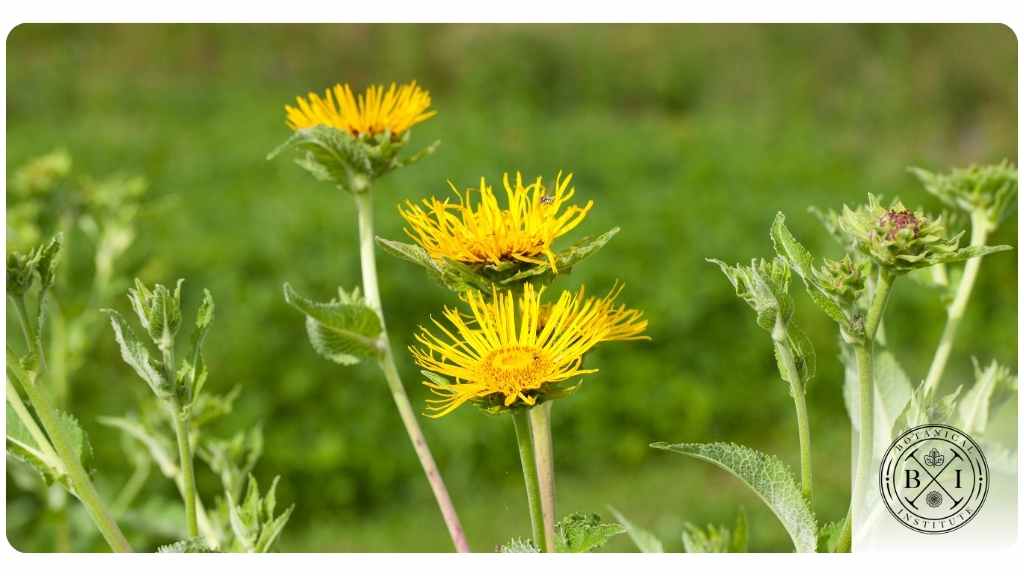
1. Elecampane
Traditional use shows that elecampane is a promising bitter herb for indigestion. The root or rhizome is the part of the herb that’s used.
A qualitative study based on traditional Iranian medicine texts discovered that elecampane is helpful for reducing indigestion. Research showed that elecampane was able to alleviate indigestion by reducing bloating and supporting digestion.
Maude Grieve, a famed herbalist and author of The Modern Herbal (1931), mentions that when consuming elecampane rhizome, the taste “becomes subsequently aromatic, and slightly bitter and pungent…” She goes on to explain that the herb is helpful for those experiencing indigestion.
Well-known herbalist and founding member of the American Herbalist Guild, David Hoffmann, explains that the bitter compounds in elecampane stimulate digestion and appetite.
In archived herbal texts, such as King’s American Dispensatory and Medical Botany (1790-1794), the authors discuss elecampane’s affinity for alleviating indigestion symptoms. Felter and Lloyd also mention that the herb supports “weakness of the digestive organs” suggesting that elecampane could be a useful digestive tonic.
Summary:
Traditional herbal texts indicate that elecampane may be useful in aiding digestion, however, human clinical research is needed for confirming this finding.