


Fungal infections are extremely common around the world. These types of infections are likely to affect the skin, nails, and/or lung health.
While antifungal drugs are commonly used, a variety of antifungal herbs have also proven to be highly effective. Herbs are also typically much more accessible for most individuals.
Using natural herbs for fungal infections may help reduce to reduce fungal growth and/or prevent infection altogether.
This article summarizes some of the most significant scientific research behind the best herbs for fungal infections.
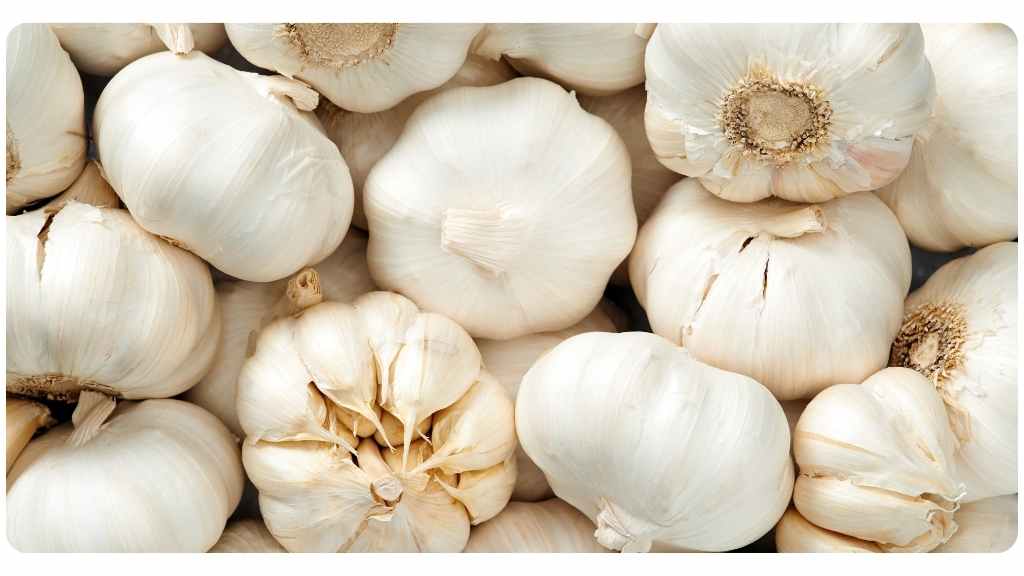
Table of Contents
Overview:
Fungal infection occurs when a fungal strain invades the outer layers of skin, hair, or nails. It is most commonly characterized by irritated and itchy skin, broken hair, and discolored and thickened nails.
Fungal infections are most likely to grow in dark, warm, and moist areas of the body.
These infections are most commonly caused by two fungi species, dermatophyte (i.e. ringworm) and Candida albicans.
Dermatophytes, or ringworms, are considered “filamentous fungi” that thrive off of keratinized tissue of the skin, hair, and nails. This species of fungi are transmitted through animals, soil, or via other infected people. Types of infections that dermatophytes manifest include tinea corporis, tinea capitis, tinea unguium, tinea pedis, and tinea faciei.
Candida albicans is technically a species of yeast that is prevalent in the human microbiome, particularly the gastrointestinal and genitourinary tracts. These colonies provide beneficial support to healthy individuals, however, stress, compromised immune systems, and other factors can cause Candida overgrowth. Types of Candida infections include oral thrush, vaginal candidiasis, oropharyngeal candidiasis, paronychia, candidiasis, and chronic mucocutaneous candidiasis.
Approximately, 20% of the world population has reported having suffered a fungal infection, with tropical areas having the most prevalent cases. Common causes of fungal infections are poor hygiene, close proximity to animals, and living in a warm, humid climate.
Herbs and natural antifungal remedies may have the ability to prevent the spread of fungal infections and reduce symptoms.
The Best Antifungal Herbs:
Below are the best herbs for managing and treating fungal infections. These herbs have been known to prevent fungal infections and decrease symptoms of infection.
1. Garlic
Clinical data shows that garlic is a promising antifungal herb.
In a comparative clinical trial observing participants with chronic oral candidiasis, researchers discovered that garlic has antifungal properties similar to antimicrobial drugs. Subjects noticed significant recoveries in both the garlic and drug groups, however, participants mentioned greater satisfaction when given the garlic therapy.