


Licorice root is a medicinal plant used for thousands of years in many regions.
Among its many health benefits, licorice has been used to treat infections, reduce inflammation, and support heart health.
This article details the main compounds in licorice as well as its possible benefits, safety, dosing, traditional uses, and implementation strategies.
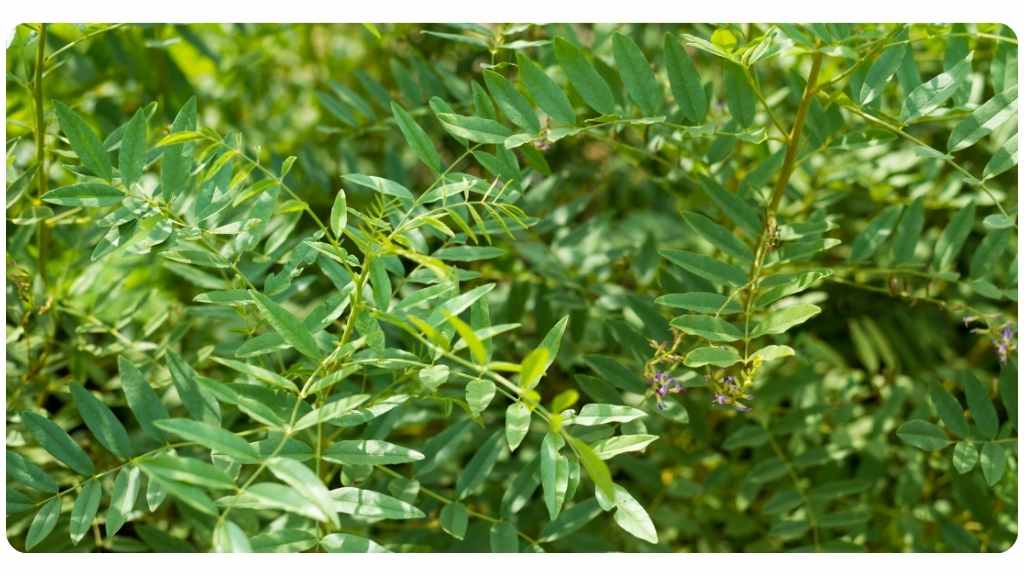
Table of Contents
What is Licorice?
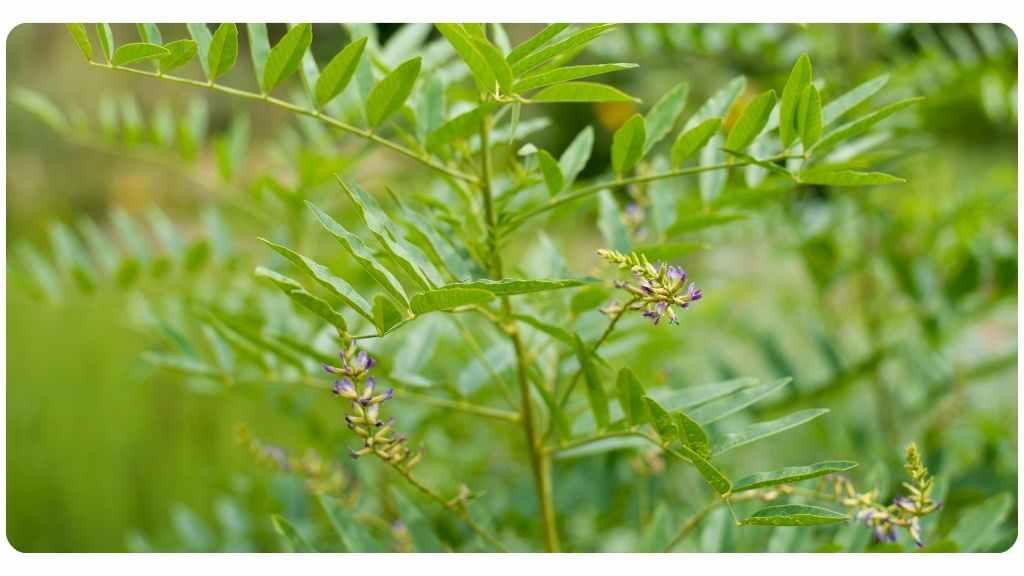
Licorice, or “Glycyrrhiza glabra”, is a medicinal plant found throughout Asia and Europe. It is thought to have originated in Iraq, although it is cultivated in many Asian and European countries today.
The licorice plant grows naturally in well watered areas with sandy, fertile soil.
While licorice is the English word for this plant, there are many other names depending on the language used, such as jaishbomodhu (Bengali), mulaithi (Hindi), and aslussiesa (Arabic).
Among the parts of the licorice plant, the root is the most bioactive component in terms of health benefits.
Licorice root is rich in many different compounds, such as amino acids, pectin, starches, sterols, and polysaccharides.
The main plant compounds in licorice root thought to deliver health benefits include:
- Triterpene glycosides (particularly glycyrrhizin/glycyrrhizic acid)
- Chalcones (e.g. isoliquiritigenin, isoliquiritin)
- Flavanones (e.g. liquiritigenin, liquiritin)
Among all of these, glycyrrhizin is the most well-researched. This triterpenoid glycoside is extracted from licorice root and has a sweet flavor. For this reason, it is often used in a variety of culinary recipes to make licorice candies and other licorice-flavored food items. But it has many potential health benefits too, which we’ll dig into below.
Health Benefits of Licorice Root
Licorice is a well-researched medicinal herb with many possible health benefits. Listed below are the main potential health benefits of licorice and its bioactive compounds.
1. May Promote Liver Protection
Recent evidence suggests that licorice may benefit liver health.
The liver plays an important role in the body. The liver processes all of the blood leaving the stomach and intestines. The liver helps to support metabolism, immunity, digestion, detoxification, and vitamin storage, among other functions. Maintaining liver health is key for overall health.
In one clinical trial involving patients with chronic hepatitis C, glycyrrhizin treatment significantly reduced alanine transaminase (ALT) (a marker of liver damage) compared to placebo.
A similar clinical study also found that intravenous glycyrrhizin therapy led to significant reductions in ALT in patients with chronic hepatitis C. The therapy was safe and well-tolerated up to 240mg daily.
In another clinical study involving over 1,000 patients with chronic hepatitis, patients treated with glycyrrhizin injections had a significant decrease in liver carcinoma compared to the control group.
One clinical trial involving women with nonalcoholic fatty liver disease found that licorice root powder markedly decreased levels of ALT and fatty build-up in the liver compared to the control group. Additionally, women treated with licorice root notably improved insulin resistance and inflammatory markers in the liver compared to the placebo.
In another clinical study involving patients with hepatitis C, long-term administration of a unique formulation of glycyrrhizin reduced the risk of liver carcinoma and liver cirrhosis (chronic liver damage involving scarring).
Also, in a clinical study of patients with chronic hepatitis B, glycyrrhizin administration led to a significant reduction in various enzymatic markers of liver damage. Moreover, this treatment appeared to reduce the risk of liver disease progression.
Lastly, one clinical trial found that nonalcoholic fatty liver disease patients showed greater reductions in ALT and other