


Kava is a medicinal plant with a strong history of use as a natural anti-anxiety treatment.
In this article, we will look at the health benefits of Kava, its safety, and its history.
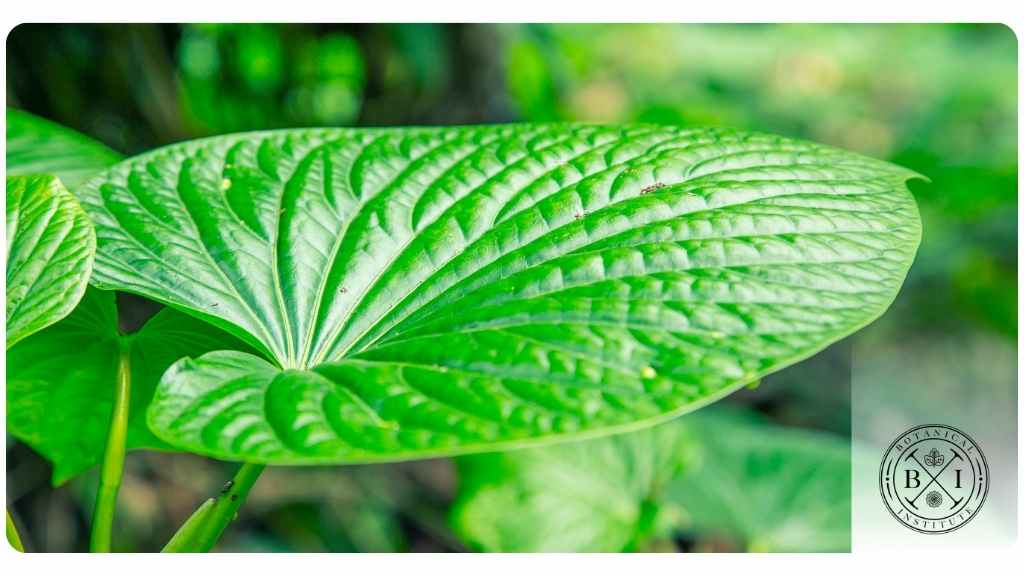
Table of Contents
What is Kava-kava?
Kava is a long-lived perennial plant native to the islands throughout the Pacific Ocean.
The Latin name for this herb is Piper methysticum. It is also called kava-kava, or simply kava.
For thousands of years, kava has been commonly used as a traditional symbolic beverage among Pacific Islanders during rituals and social gatherings.
This kava drink was made by grinding kava roots into a paste. Traditionally, this was done by chewing the roots and spitting them out. Now, it’s typically done by hand.
After that, the fine paste is combined with water, strained, and consumed.
Throughout Europe and America, it is used to treat anxiety and sleep disorders, support brain function, and may have anti-cancer properties.
The active phytochemicals in this herb are called “kavalactones” and account for 3–20% of the weight of the root of the plant.
Health Benefits of Kava-kava:
Below are the top researched-backed kava benefits for health.

1. May Improve Sleep
Research shows that kava-kava benefits sleep quality.
It’s estimated that one-third of the world’s population suffers from insomnia. Lack of sleep can significantly impact overall health and well-being and lead to a variety of negative health conditions.
A double-blind clinical trial studied the efficacy and safety of kava in individuals with sleep issues associated with anxiety. Over four weeks, the kava extract was found to be well-tolerated without adverse side effects. The kava extract had a significant impact on the patients’ sleep by improving the quality of their sleep and reducing sleep-related anxiety.
A study analyzed the effects of kava and valerian (Valeriana officinalis) in individuals with stress-induced insomnia. The treatment consisted of only kava for the first six weeks of the study, then a 2-week break, and then only valerian for another six weeks. Results showed no significant difference between the two herbs, as they both had a notable impact on insomnia and stress levels. This shows kava’s potential as a beneficial herb for stress.
A clinical study investigated the effects of an herbal treatment combination of kava, black cohosh (Cimicifuga racemosa), valerian, hops (Humulus lupulus), green tea (Camellia sinensis), Panax ginseng, and soy extract on sleep in menopausal women. Results suggested that this formula reduces sleep disturbances and improves overall sleep quality associated with menopause.
In addition, this herbal formula also showed a reduction in other menopausal symptoms such as hot flashes and feelings of depression, anxiety, and irritability.
Summary:
Research indicates that kava may help to improve overall sleep quality.
2. May Reduce Anxiety
One of the top health benefits of kava-kava is that it may work to reduce anxiety.
Commission E, a German governmental health agency, approves the use of kava-kava for nervous anxiety, stress, and restlessness.
Additionally, research shows that kava may be helpful for those with anxiety.
In a 25-week double-blind placebo-controlled study involving 101 participants, researchers concluded that kava-kava extract can significantly reduce anxiety and can be used as a safe alternative to anti-depressant medications.
General Anxiety Disorder (GAD) is the most common type of anxiety. GAD is characterized as excessive anxiety or extreme nervousness that interferes with daily functioning. There are many pharmaceutical treatments for GAD; however, researchers are studying alternative treatments using botanicals such as kava-kava