

Osha root is a popular herb that is used for its various respiratory health benefits.
The roots of osha have been traditionally been used to treat various respiratory ailments, including mucus buildup, colds, coughs, bronchial pneumonia, and the flu.
In this article, we will look at the benefits of osha root, its safety, and history.
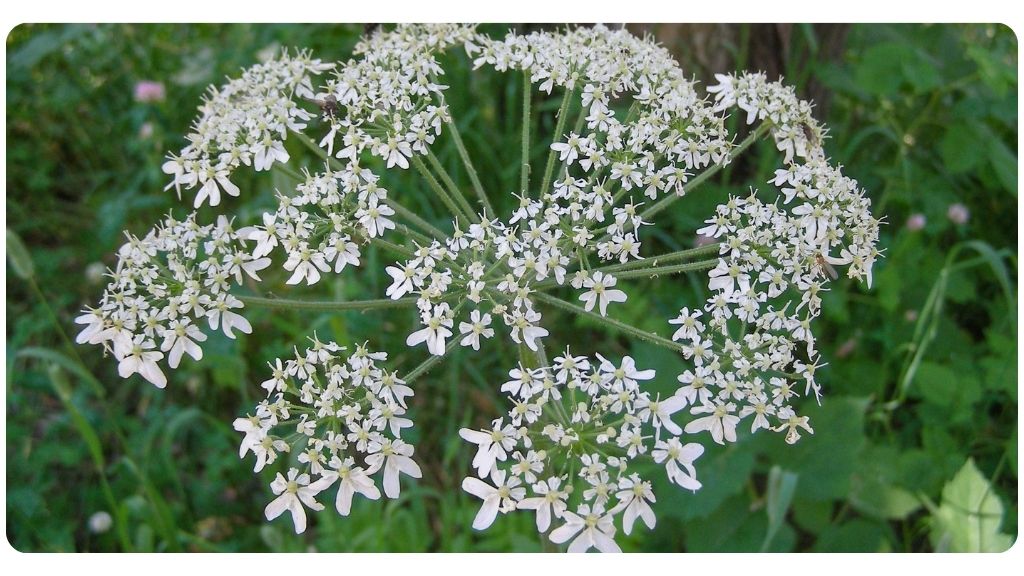
Table of Contents
What is Osha Root?
Osha root is a root that is found mainly in the Rocky Mountains. It’s commonly used as a traditional medicine in both the US and Mexico.
In Mexico, the plant is commonly called ‘‘chuchupate’’, ‘‘raíz del cochino’’ and ‘‘angelica’s root’’, among others. In the USA the most popular names are osha, porter’s licorice, and bear root.
Osha is known scientifically as Ligusticum porteri, it’s part of the Apiaceae (i.e. carrot) family of plants.
The roots of osha have been traditionally been used to treat various respiratory ailments, including:
- mucus buildup
- colds & flu
- coughs
- bronchial pneumonia
- and other respiratory problems.
The roots have also been used externally to treat aches and pains, digestive problems, scorpion stings, wounds, and skin infections.
While osha has a long history of traditional medicine usage, the knowledge pertaining to the pharmaceutical uses of L. porteri is scarce due to a shortage of scientific research.
Health Benefits of Osha Root:
Osha root has many purported health benefits. While there is minimal scientific research on osha, there are some preliminary studies that seem to confirm traditional usage.
1. Antioxidant Properties
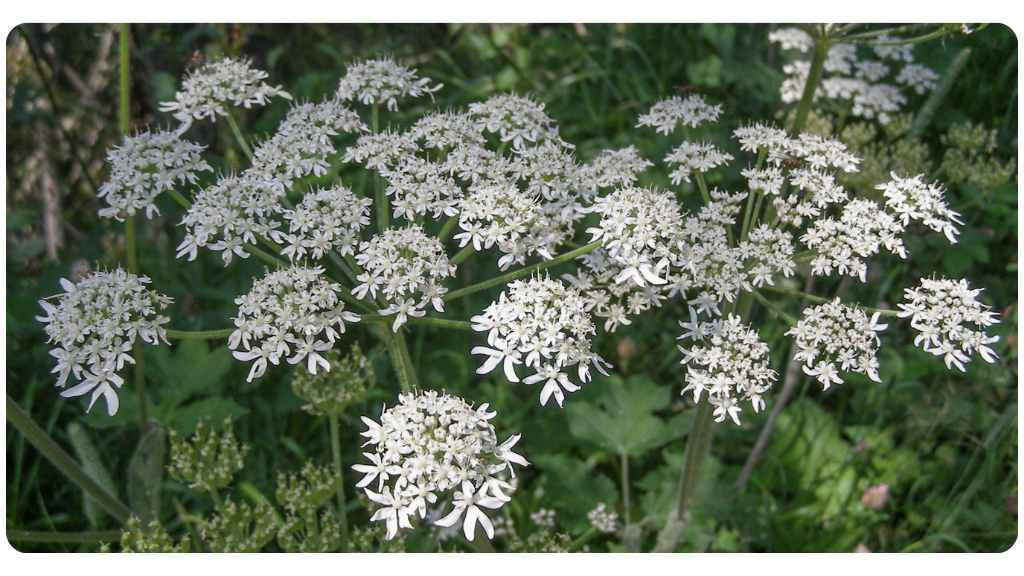
Test-tube research shows that osha root benefits the body through its strong antioxidant properties.
Oxidative stress occurs when an imbalance occurs between the production and accumulation of oxygen reactive species (ROS) in cells and tissues and the ability of a biological system to detoxify these reactive products.
High levels of oxidative stress are associated with cancer, various neurological diseases (including Parkinson’s and Alzheimer’s), as well as asthma, and chronic obstructive pulmonary disease (COPD).
Antioxidants are special molecules that are able to neutralize free radicals. This disarms free radicals and reduces oxidative stress.
Findings from a 2016 in vitro study suggest that osha root has protective effects against oxidative damage. The researchers noted that these antioxidant properties may help to improve human immune system function.
A 2017 lab-based study by the same group looked at osha’s antioxidant mechanism of action. They found that osha root helps to prevent the oxidation of reduced glutathione, the body’s master antioxidant.
They also found that L. porteri root extract may be effective in preventing oxidative damage by increasing the activities of various antioxidant enzymes.
Summary:
Initial laboratory research suggests that osha root has a strong antioxidant effect. While this research is promising, human clinical trials are needed to prove out these initial reports.
2. Anti-Inflammatory Properties
Laboratory research indicates that one of the primary benefits of osha root is its anti-inflammatory properties.
A test-tube study found that osha root extract worked to reduce a number of inflammatory markers. It’s thought that this is a result of its antioxidant activity.
Researchers speculate that these anti-inflammatory effects are a result of a phytochemical called Z-ligustilide that’s present in osha root.
An initial animal study found that Z-ligustilide has a strong anti-inflammatory effect. This has also been confirmed by test-tube studies in various labs.
Summary:
Initial research shows that osha root may have strong anti-inflammatory properties. It’s thought that this is due to Z-ligustilide, a phytochemical found in osha. While these findings are promising, human clinical trials are needed for confirmation.
3. Antimicrobial Properties
Research indicates that osha root benefits the immune system through its antimicrobial properties which may help protect against infection.
An in vitro study found that the essential oil compounds in osha root were effective in fighting a multi-drug resistance (MDR) strain of the bacteria Staphylococcus aureus.
Another study looking at phthalides, a category of phytochemicals that are well represented in osha root, found that they have strong antimicrobial properties.
Another study found that osha root extract is particularly effective against numerous bacteria, including Escherichia coli, Enterococcus feacalis, Strespcoccus epidermidis, Staphylococcus aureus.
This is in line with traditional usage. It has been used to disinfect wounds, for coughs and colds, as well as for the flu.
Additionally, studies show that Z-ligustilide, a phytochemical found in osha root, also has antifungal properties.
Summary:
Test tube studies show that osha root is an active antimicrobial with the ability to fight against bacterial and fungal attacks. This follows the traditional medicinal usage of this plant. Human clinical trials needed to verify these promising findings.