

Shilajit is a tar-like substance made from decomposed plants.
Shilajit is found flowing from rocks in the Himalayan mountains. Locals discovered this mysterious substance and subsequently found that it can provide many health benefits.
Shilajit has been known and used for centuries by traditional Ayurvedic practitioners.
New research shows that it may have applications for a variety of health benefits, including brain function, testosterone support, and others.
In this article, we will look at the benefits of shilajit, its safety, and its history.
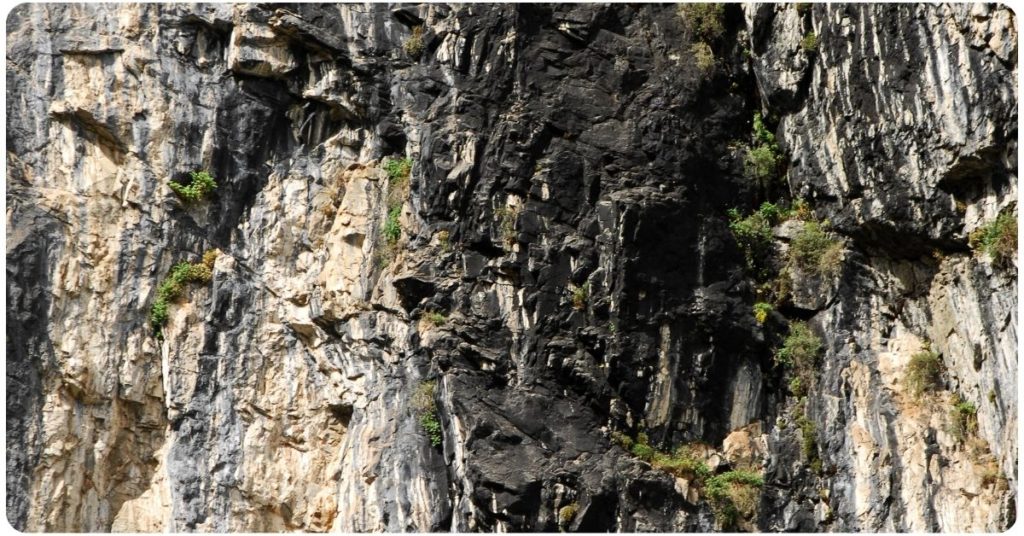
Table of Contents
What is Shilajit?
Shilajit is a thick, blackish-brown sticky substance that is made via the gradual decomposition of plants over the course of thousands of years.
It typically oozes out high mountain rocks when it’s warm. It’s especially found in the Himalayan mountains between India and Nepal, although variations can also be found in Russia, Tibet, Afghanistan, and northern China.
An indicator of finding true shilajit is the presence of the plant Sullu spurge (Euphorbia royleana) nearby. This cactus-like succulent plant grows in the Himalayan mountains and is often found near shilajit collection sites. It’s thought that this plant is one of the primary plants that makes up shilajit.
The word “shilajit” is a Sanskrit word that means “Conqueror of mountains and destroyer of weakness” and ‘Winner of rock’. This gives a hint at its purported health benefits. This word is pronounced “shill-ahh-jit”
This resin goes by a few different names, including salajit, shilajatu, mimie, mummiyo, or simply mineral pitch.
In traditional Ayurvedic medicine, shilajit was said to be a Rasayana herb, that is, a rejuvenating substance that helps to slow aging.
Modern research shows that it may have a variety of applications as an adaptogenic herb, including helping to fight fatigue, aging, and other health complaints.


The Botanical Institute is supported by our readers. We sometimes earn affiliate commissions when you click through the affiliate links on our website. Learn more here.
How Is Shilajit Made?
Shilajit is composed of humus and organic plant materials that have been compressed by layers of rocks. Over the course of thousands of years, this created the dark tar-like substance we know as shilajit.
Due to its unique composition as a phytocomplex rich in fulvic acid, researchers hypothesize that shilajit is produced by the decomposition of plant material from species such as Euphorbia royleana (Sullu Spurge) and Trifolium repens (white clover).
Further studies have identified that several other plant organisms may generate shilajit, such as the molds Barbula, Fissidens, Minium, and Thuidium and other species like Asterella, Dumortiera, Marchantia, Pellia, Plagiochasma, and Stephenrencella-Anthoceros.
The decomposition process that creates shilajit seems to occur over the course of centuries, and on this basis, shilajit is considered a millenary product of nature.
What’s in Shilajit?
Shilajit resin contains an array of phytochemical compounds and nutrients.
It contains dibenzo-alphapyrones and related metabolites, small peptides, humic acid, some lipids, uronic acids, phenolic glucosides, amino acids, and fulvic acid.
Fulvic acid in particular is an important nutrient. It acts as a carrier molecule in the human system and helps in the transportation of nutrients into the deep tissues within the body. It also helps to remove deep-seated toxins from the body.
It also contains more than 84 minerals including copper, silver, zinc, iron, and lead in their ionic forms. Thus, it provides most of the essential minerals that the body needs on a daily basis.
A recent study on the composition of Andean Shilajit in Chile noted that it has an extremely high antioxidant value (ORAC score) that is substantially higher than noni and blueberries. This is due to its high fulvic acid content, which has strong antioxidant activity.