

Pleurisy root is a herb that’s thought to be beneficial for congestion, respiratory problems, reducing swelling, and a number of other things.
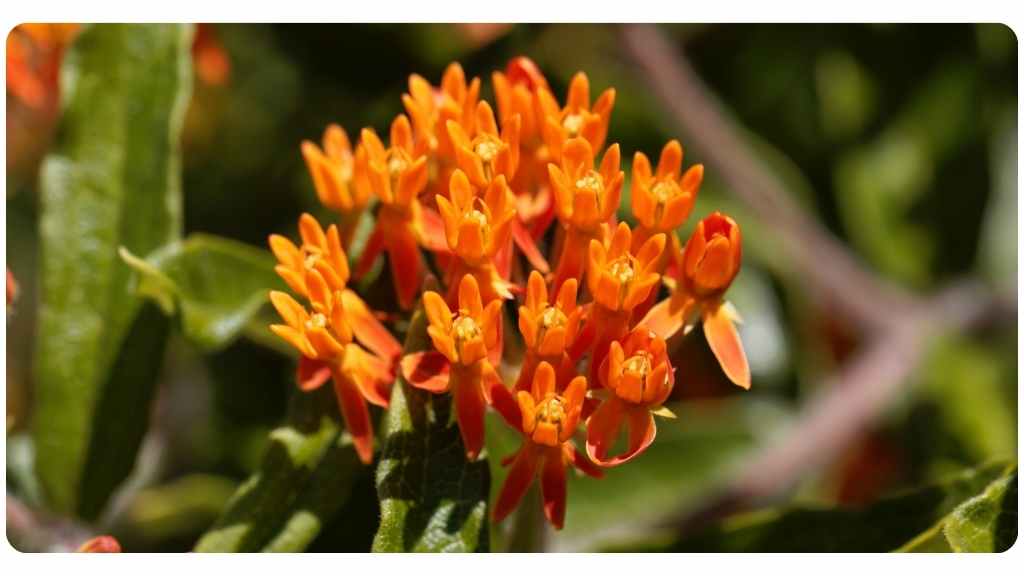
Pleurisy root is a part of the bright orange pleurisy plant, also known as “Butterfly Weed”, which grows in prairies throughout North America.
The common name “pleurisy” comes from the use of this herb by Native Americans and pioneers to treat pleurisy, a disease that involves the inflammation of the lungs.
While pleurisy root has many benefits, as with all herbs, there are multiple considerations and safety factors that need to be taken into account prior to consuming it.
In this article, we will look at the health benefits of pleurisy root, its safety, and its history.
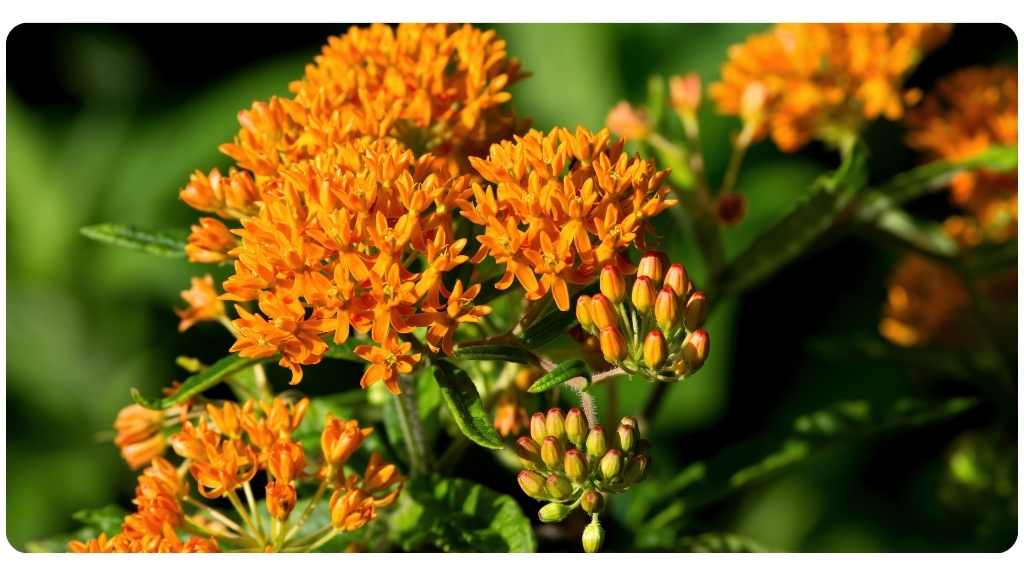
Table of Contents
Health Benefits of Pleurisy Root:
While many different herbs have a plethora of research around them showing their benefits, pleurisy has little to no clinical evidence supporting its use. That said, it does have hundreds of years of historical usage, as well as a long history of use within the western herbalist tradition.
Many of the sources quoted below come from Eclectic physicians who wrote about this powerful herb in the early 20th century.
It’s noted that pleurisy root is effective against respiratory infections, helps to reduce inflammation, and that it promotes expectoration.
From native tribes to modern clinical herbalists, pleurisy is a go-to herb for lung-based ailments.
We’ll go in-depth into each benefit below.
1. May Benefit Respiratory Health
Pleurisy is said to be one of the best herbs for lung health.
Clinical herbal practitioners commonly use pleurisy for the treatment of bronchitis, influenza, and other respiratory conditions. It is utilized for these conditions because it’s seen as a powerful lung decongestant.
It is noted that it acts directly on the lungs, and stimulates sweat glands. This relaxes the capillaries, which relieves strain on the heart and lungs. This helps to reduce pain and assist breathing for those with pleurisy. From a technical perspective, pleurisy is a condition in which the inner lining of the chest lining and the tissues which surround the lungs become inflamed, this makes it difficult to breathe.
Among herbalists, pleurisy root has a deservedly good reputation in treating respiratory diseases. It acts upon the mucous membrane of the pulmonary tract and works to increase sweating and overall expectoration.
Felter and Lloyd note that “in pneumonia, as well as in bronchitis, it is best adapted to the acute stage, where the lesion seems to be extensive, taking in a large area of lung parenchyma and mucous tissues”.
Summary:
Herbalists note that pleurisy may be a beneficial herb for treating respiratory conditions, however, human clinical research is required for confirmation.
2. May Promote Diaphoresis
Pleurisy works to promote diaphoresis, or sweating, throughout the body. Sweating has many benefits, including helping to remove harmful toxins from the body, including heavy metals and various bacteria.
Sweating is also a tool that your body helps to regulate body temperature.
It’s noted in various herbal traditions that pleurisy is one of the best diaphoretic herbs. They often combined it with ginger.
Summary:
Although clinical studies are needed, traditional usage shows evidence of pleurisy’s ability to promote diaphoresis, or sweating, which is useful for eliminating toxins from the body.
3. Antispasmodic Properties
Pleurisy root is thought to have antispasmodic properties. This contributes to its relaxing nature for the lungs and other areas of the respiratory tract.
It’s also said to be beneficial for menstrual cramps, though this has not been proven out in the research.
Summary:
Pleurisy root may possess antispasmodic properties, but human trials are needed in order to verify this finding.
4. Anti-Catarrhal Properties
Catarrh is essentially mucous that is created by your body when its inflamed. Pleurisy root works to remove excess mucous from the body, especially the lungs.
This is one of the reasons why it’s considered such a powerful lung decongestant.
It was noted by the Eclectic physicians that low doses of Asclepias was one of the herbs “for snuffles, or acute nasal catarrh of infants”. They went on to state that “It is, in fact, one of our best drugs for catarrhal conditions, whether of the pulmonary or gastro-intestinal tract, especially when produced by recent colds”.
Summary:
Pleurisy is considered one of the best herbal lung decongestants, but human clinical studies need to be conducted to confirm this finding.
5. Other Benefits
•Estrogenic Properties: In an in vitro study, it was noted that low doses of the extract of Asclepias species stimulated uterine contractions and exhibited estrogenic effects.
•May Benefit Digestion: Pleurisy root is also seen as a helpful carminitive, that is, it helps to aid in digestion and reduce gas and bloating. The Eclectics recommended low doses of pleurisy for children with gas/gastric discomfort.
Summary:
Pleurisy has been tied to a wide variety of health benefits. Human clinical trials are needed to verify these findings.